When the Algorithm Becomes the Doctor
- 2 days ago
- 2 min read
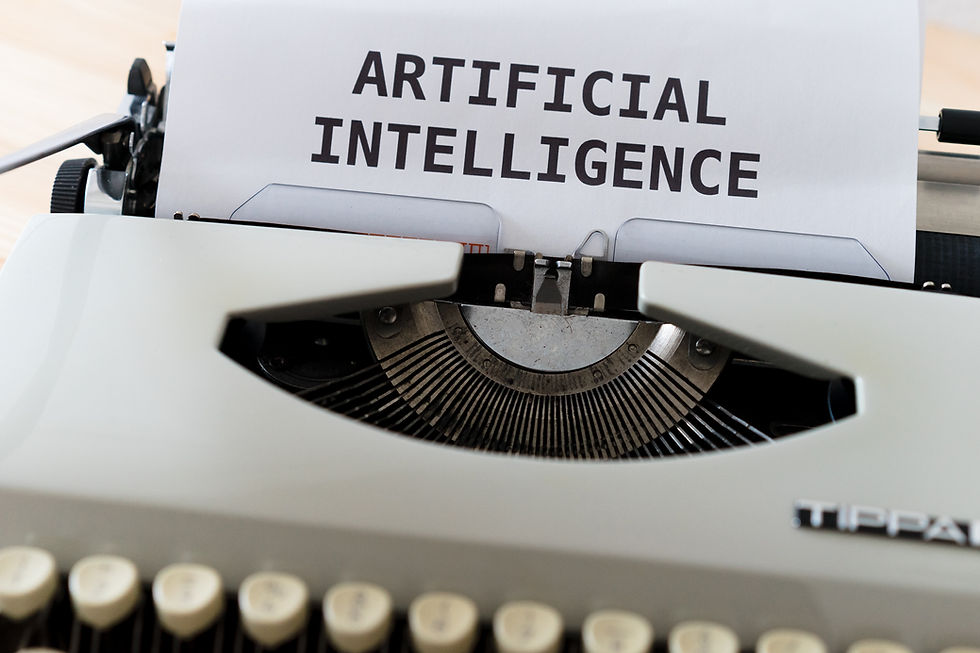
You feel something is wrong with your body. Before you call anyone, you type it into a search box, and then into a chatbot, and within a minute you have a confident, fluent, well-organized answer. By the time you reach an actual clinician, you are not really seeking their judgment. You are checking it against the one you already have.
That reordering — small, ordinary, repeated millions of times a day — is one of the quietest and largest changes in the history of medicine. We call it the epistemic trust shift.
Where authority goes
For all its flaws, clinical medicine located authority in a person: someone trained to weigh a messy, uncertain picture, who could be questioned, who carried accountability. The shift moves that authority toward a black box — a model that produces an answer without showing, in any auditable way, how it weighed what.
This is not an argument that the models are useless. Often they are remarkable. It is an argument about what happens to a person's relationship with their own body, and with their doctor, when the felt source of truth relocates from clinical judgment to a confident screen.
Two risks worth naming
The first is automation bias: the well-documented human tendency to defer to a machine's recommendation even when our own observation should give us pause. In a clinical setting that is not a UX quirk. It is a safety issue.
The second is slower and aimed at the clinician. If the difficult middle of medical reasoning — the part where competence is actually forged — gets handed to a model, the next generation of practitioners may lose the ability to do the reasoning the model is imitating. The fix is not to ban the tool. It is to design it so the human still has to think first.
Trusting a good instrument is rational. Surrendering to it is not. The line between the two is exactly what cognitive sovereignty, applied to medicine, is trying to hold.
Comments